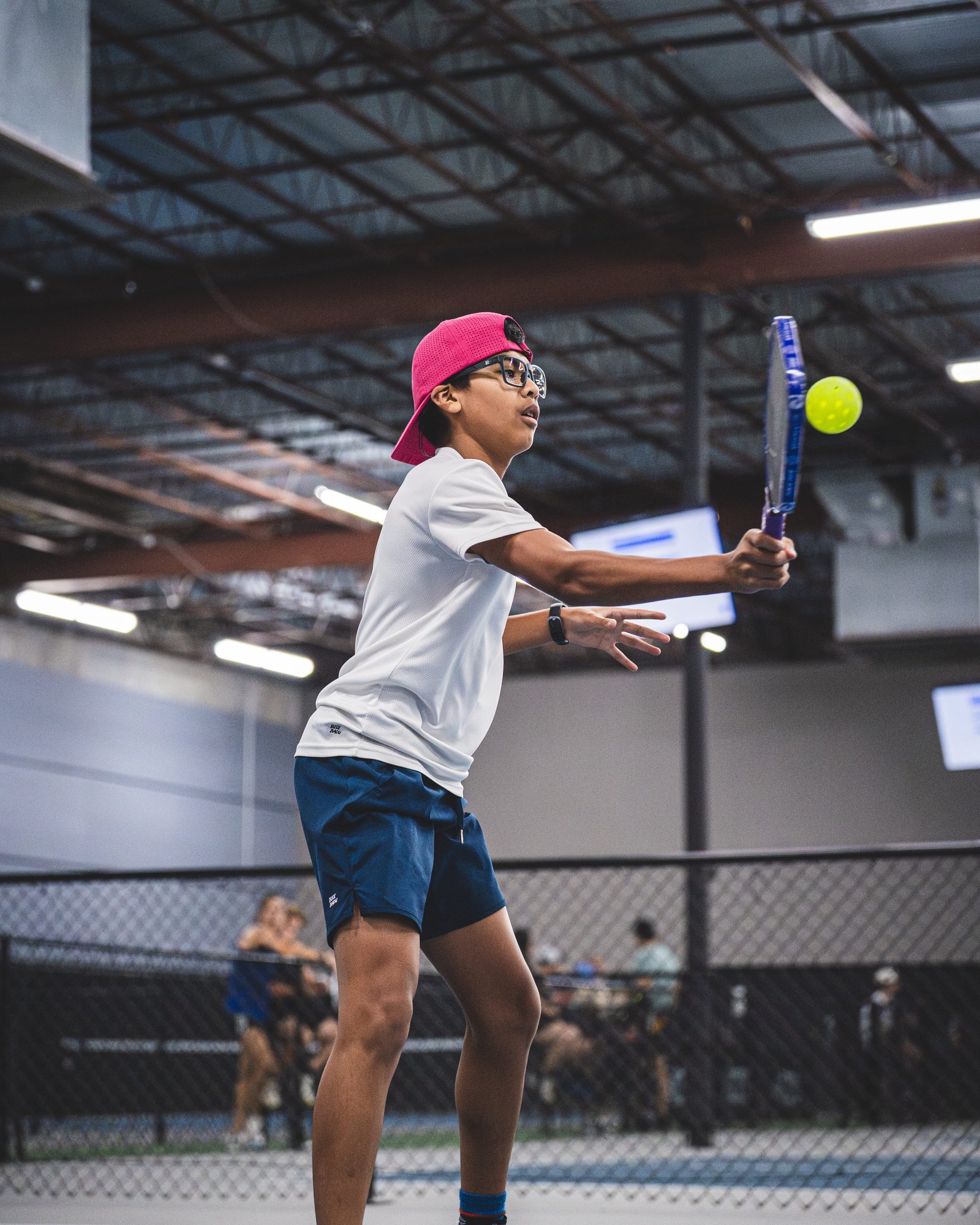
Erapickleball.com Insider: Pickleball Near Me Tips
Finding a place to play pickleball that fits your schedule, skill level, and personal rhythm is more than a search query. It’s about geography, yes, but it’s also about community, culture, and the unspoken promise that a good court can become a reliable anchor in a busy life. In my years coaching, coaching-adjacent work, and just plain playing the game, I’ve learned that the best experiences come from venues that understand the human side of sport as well as the geometry of the game. Era Pickleball facilities, with their emphasis on accessibility and ongoing player development, are a useful lens through which to understand what to look for when you say “pickleball near me.”
A practical way to approach this is to acknowledge three truths that rarely change, no matter the city or the size of the club: first, the quality of the courts matters more than the marketing copy; second, community drives engagement, not just schedules; and third, your own goals define the kind of venue that will keep you coming back. If you’re new to the scene or you’re moving to a new town, these ideas help you translate an online listing into a real, tangible experience on a court.
Where the rubber meets the line drawn on the court is always in the details. It’s easy to assume that a good place to play is simply a matter of open courts and friendly players. In reality, the right venue is a chorus of small decisions that add up: lighting that makes the ball pop against a painted surface; a well-balanced schedule that respects peak playing times for all skill levels; a front desk that understands how to help a visitor become a regular; and a transparent pricing structure that doesn’t surprise you at the counter. Read this as a guide to evaluating Era Pickleball sites near you, but also as a broader map for what to demand from any pickleball facility you consider.
The first thing to recognize is that Era Pickleball has built a network that aligns with how most players actually paddle through their weeks. The core idea behind Era Pickleball indoor pickleball courts and era Pickleball outdoor pickleball courts is straightforward: create consistent, reliable access to courts that are maintained and staffed in a way that respects players’ time and their growth. If you live in a community where recreational activities compete for attention, a well-run pickleball venue can become a civic asset. It becomes not just a place to rack up a few hours of moves but a space where you see familiar faces, where you know the person who keeps score at court four, where you recognize the senior players who mentor newcomers, and where weekend tournaments feel like small town fairs in the best sense.
In practice, when you search for pickleball near me, you are often looking for something that fits into a necessary frictionless routine. Consider the balance between indoor and outdoor options. Indoor courts eliminate weather as a variable, which means you can reliably play year round, and you can often time your sessions to avoid the heat of summer or the cold snaps of late winter. Outdoor courts, by contrast, reward a different set of skills and a different pace. The wind becomes an extra opponent, the sun a companion that shifts the way you tie your laces and shoulder your paddle. Indoor and outdoor facilities each carry a distinct rhythm, and the best players learn to adapt without losing focus. If your schedule includes evenings or weekday afternoons in a climate with harsh seasons, indoor venues may predominate in your routine. If you enjoy weekend play and the social energy of outdoor gatherings, outdoor courts can be the beating heart of your pickleball life.
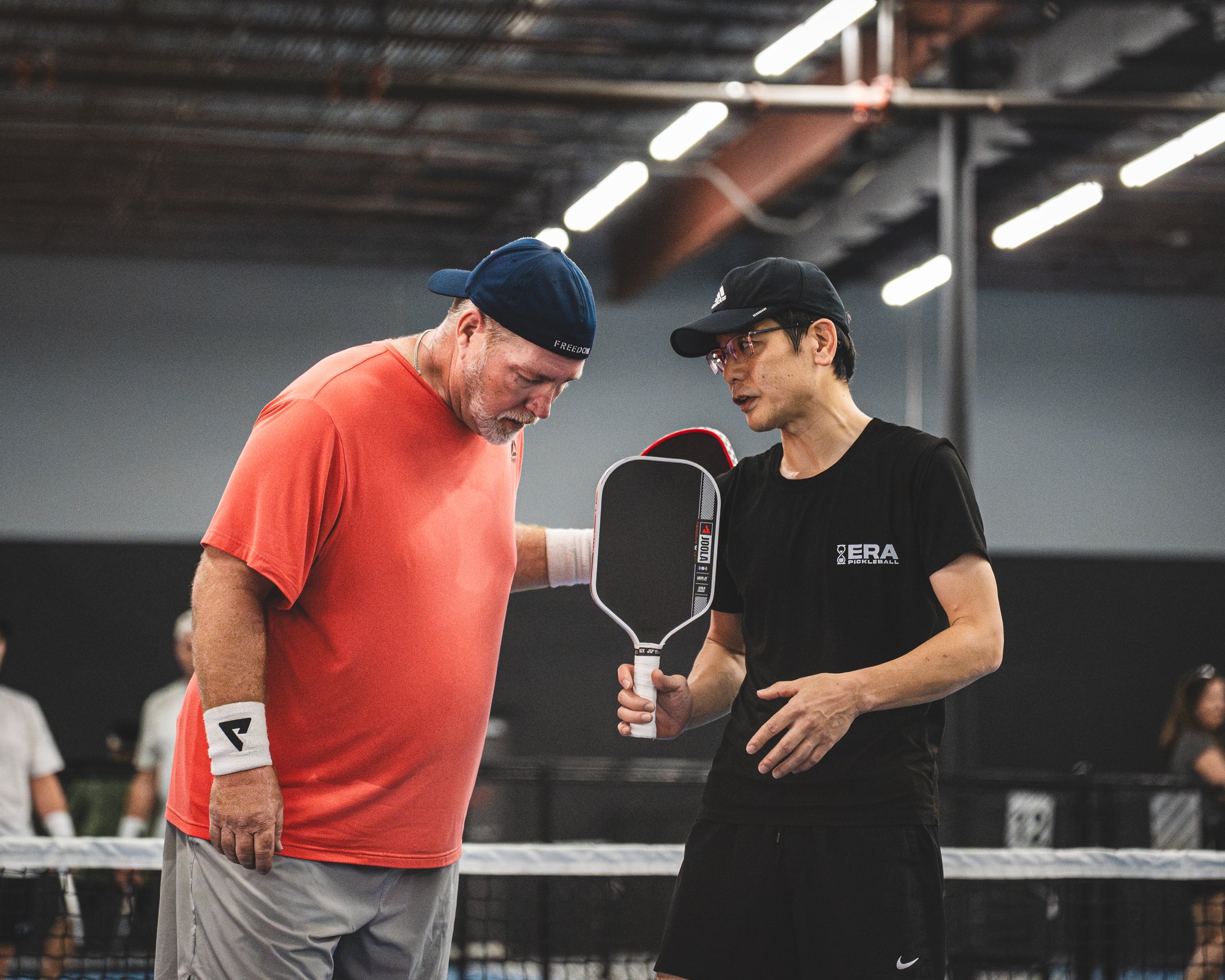
Beyond where you play, there is how you play. A venue is not simply a building with lines painted on a surface; it is a learning ecosystem. As you explore Era Pickleball facilities near you, you’ll notice that successful clubs don’t rest on the novelty of a good court. They invest in coaches who understand the game deeply and can translate fundamentals into practical on-court results. They support member leagues and clinics that match you against players who challenge you without overwhelming you. They maintain a friendly but structured system for signups, drop-ins, and private lessons. They cultivate a culture where a new player feels welcomed, not overwhelmed, and where a returning player can track growth with measurable milestones.
What does that look like in real terms? It looks like a front desk that knows your name after two visits, this website a floor that is swept in the morning so the first ball doesn’t pick up grit, and a calendar that is easy to navigate on a phone or a wall-mounted board. It looks like a court layout that minimizes interference during peak hours. It looks like a coaching staff who can tailor drills for a mixed group, a ladder or round-robin format that gives everyone a chance to test themselves, and a friendly tone on the sidelines so players cheer for good keeps and call-outs for safe plays rather than punitive chatter. It also looks like clear pricing and cancellation policies that respect people’s time, a store or snack area that keeps players in the building between matches, and a maintenance routine that keeps nets taut and lines crisp.
When you’re deciding on an Era Pickleball facility or any other venue, the questions you ask matter as much as the map you consult. Start with access. Is there ample parking nearby? Are there clear entrances? Is the facility accessible for players with mobility constraints? The best venues don’t require heroic effort to get on the court; they make it easy to arrive, park, check in, and start warmups without feeling rushed. Then look at the schedule. Are there beginner clinics, intermediate sessions, and advanced play available across the week, and are there opportunities to join as a guest without long-term commitments? A healthy calendar offers variety without sacrificing consistency. It’s a sign of a mature community when you can pick a time that fits your life and still encounter players who push you to improve.
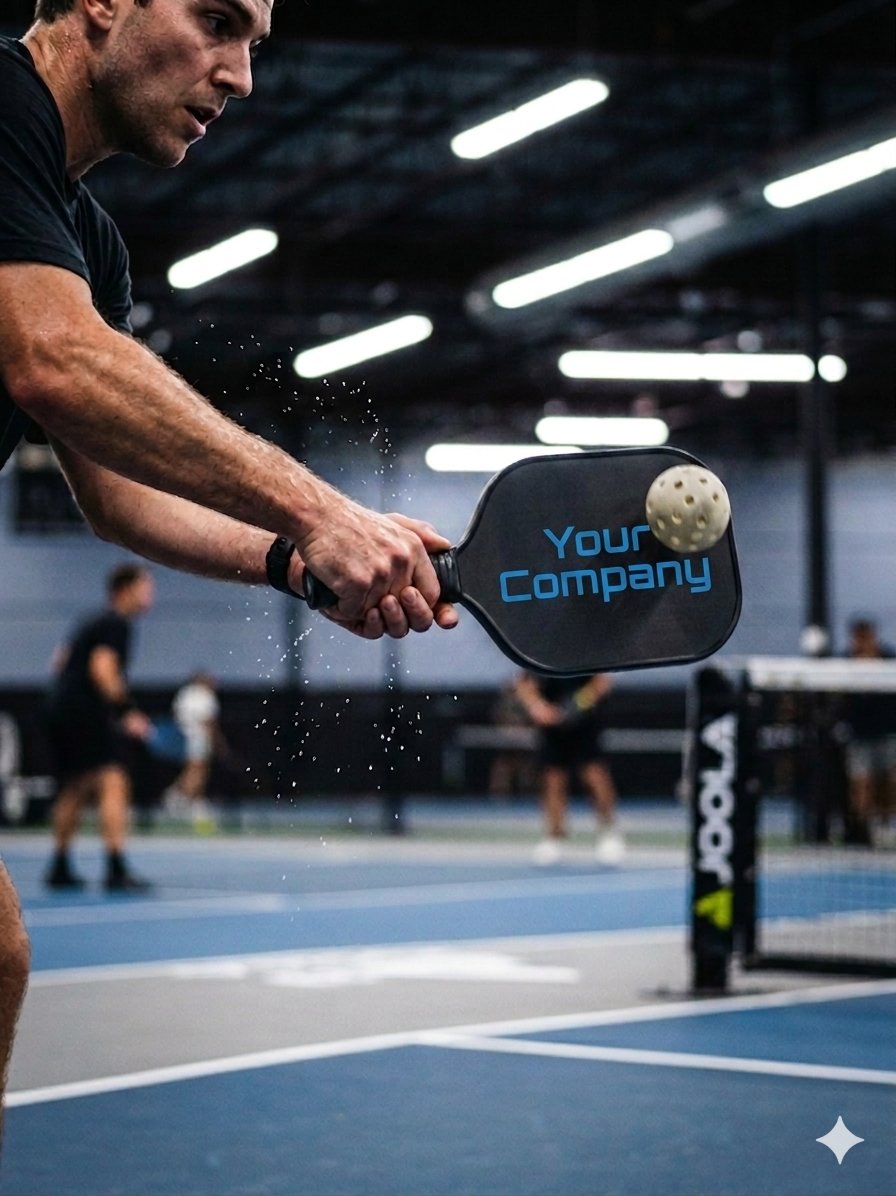
In my experience, the social dynamic is everything. Pickleball is a social sport, and the best venues make it easy to form a supportive circle. This happens most often when there is a mix of pickup play, structured drills, and social events that invite you to stay after your match for a conversation about strategy, equipment, or a recent tournament you watched. A tone of inclusion matters. If a facility invites new players to come in, observe how staff and regulars greet them. Do experienced players intentionally help newcomers with basic shots, court etiquette, and safety? Do you hear people offer tips in a constructive way rather than in a way that makes others feel judged? The culture of a club matters as much as its courts, and over time it becomes a barometer for whether you will stay long enough to see real improvement.
Equipment and maintenance are the quiet backbone of a great venue. The type of surface matters because it impacts ball bounce and player stamina. A well-kept court should feel even underfoot, with no cracks or excessive grip tape that pulls shoes or slows movement. Net heights should be standard, and lighting should be bright enough to minimize glare or shadowy spots during evening sessions. A clean facility with well-stocked amenities signals that management treats pickleball as a priority rather than a convenience. If you have any questions about paddles, balls, or shoes, a knowledgeable staff member should be able to offer guidance or point you to a trusted nearby retailer. While equipment can be a personal choice, a venue that can answer practical questions and help you dial in your gear is a sign of maturity and service.
Pricing is another practical axis. The best programs balance affordability with quality. You will notice a spectrum of options, from punch cards and monthly memberships to drop-in rates for guests. In environments like Era Pickleball facilities, memberships often unlock benefits beyond lower per-hour costs, such as priority court booking, access to exclusive clinics, and invitations to member-only events. The right structure depends on how often you play, how committed you are to practice, and how much you value community elements like social events or leagues. A transparent pricing model is essential. If you see hidden fees, complex cancellation rules, or a heavy emphasis on paid add-ons, you may want to keep looking. The best venues are straightforward and fair, offering predictable costs that let you budget for both court time and coaching without surprises at the desk.
Tournaments and leagues play a critical role in shaping the daily experience. They provide goals that keep practice focused and community energy that keeps people coming back. For many players, the lure of a friendly league is a reliable rhythm; it’s a reason to schedule two to three sessions a week and to measure progress against a standard competitor pool. When you look for pickleball near me and land on an Era Pickleball site, check what leagues are available, their format, age groups, and skill divisions. Even if you’re not a tournament person, watching a league can be instructive. You can observe strategies you might try with your own group, learn how players read off-court cues, and pick up ideas for pacing a match when you finally step onto the court.
Lessons and coaching represent a shortcut to growth, but they require a discerning eye. Pickleball is a sport of precise footwork, short- to mid-range shots, and careful court positioning. A well-structured lesson program will cover fundamentals without turning beauty into brute force. It should balance technique with game-situation practice so you learn how to apply your improved mechanics in rallies and points. In my experience, the most effective coaches are those who can translate a drill into a practical decision on the scoreboard. They give you a plan for the court that you can implement in the next game rather than a vague idea about technique that sounds good but has little application. If you are exploring venues near Era Pickleball, look for clinics that pair beginners with more experienced players, a steady cadence of sessions across the week, and a system for tracking your progress. A clinic with a clear progression and regular feedback will yield noticeable improvements in a matter of a few weeks.
Let me share a couple of practical stories from the road. A few years ago I frequented a mid-sized city’s Era Pickleball complex. The facility was clean, and the indoor courts shimmered with a level of polish that suggested serious maintenance. What set it apart, though, was the staff’s willingness to tailor the experience to the crowd. The morning session welcomed a wide mix of players, from retirees to first-time visitors who had just learned the rules at a local club. The staff offered a short introductory clinic, followed by a few rounds of accessible drill-based play, then moved everyone into a round-robin format. It wasn’t glamorous, but it worked. The energy felt sustainable because you could show up, get a fair amount of playing time, and leave with tangible skill improvements you could apply the next day.
Another example involved an outdoor venue near a university town. The facility had a vibrant social calendar, but it struggled on days after a rainstorm when the courts were damp and slick. The staff communicated clearly about safety concerns and arranged optional indoor space to pivot to during weather delays. The result was a community that learned to adapt rather than complain about the weather. Players respected the rules, stayed for post-match conversations, and kept a log of who they trained with each week. By the second month, the crowd had grown to include several players who were new to the sport and who found that the open social environment helped them absorb lessons faster than one-on-one coaching alone could achieve.
If you are wondering where to begin in your search for pickleball near me, here is a simple, practical approach. Start with intent. Decide whether your priority is consistent court access, advanced coaching, social enjoyment, or a balanced mix. Then map the options within a reasonable radius. Pick three venues that fit your bread-and-butter needs. Visit each one for a single session, ideally on a day when the facility is at a typical load. Pay attention to how welcoming the staff are, how quickly you can get on a court, and how the crowd behaves with newcomers. Take notes on the court conditions, the lighting, the sound levels, and the overall vibe. This hands-on reconnaissance is cheaper than a misstep you will regret after buying a membership you won’t use.
In the end, your choice of pickleball near me is about value that is more than price. It’s about the incremental improvements you can measure over a season, the social ties you can cultivate, and the sense that you have found a place where your time on the court is respected as much as your time in the gym. Era Pickleball facilities, by aligning court quality, community programming, and clear pathways for growth, offer a model of what makes a club worth joining. They understand that the sport lives in the conversation that happens between rallies, the coaching that translates technique into success on the scoreboard, and the simple joy of seeing a familiar face across the net after a hard shot.
Two practical paths to ongoing progress stand out for players who want to maximize the value of their local Era Pickleball options. The first is to treat every visit as an opportunity to test one new skill in a controlled setting. If you usually serve and volley, try incorporating a drop shot or a third-shot drop from mid-court in your warmups. If you’re a steady rally player, push to finish a point with a fourth shot that forces your opponent to move, then retreat into a controlled dink pattern to recover your position. The second approach is to leverage the coaching and clinic schedule. Plan your week around a mix of drills and match play. For example, you might dedicate Monday to fundamentals, Wednesday to situational drills focusing on net play, and Saturday to a light round robin to practice what you learned during the week. The structure matters because it creates a pattern that your brain can anticipate, which makes it easier to internalize new mechanics.
As you become more attuned to the rhythm of your local Era Pickleball facility, you’ll start to notice the small indicators that signal a healthy, sustainable environment. You’ll hear commentary on ball effects from players who know the differences between brand x and brand y; you’ll observe staff offering clinics at consistent intervals; you’ll see a calendar that shows agreements made with local schools or senior centers to expand access to the sport. You’ll detect a sense of reciprocity in the community, where beginners get help without feeling left behind, and seasoned players contribute to others’ growth without turning their attention into a competition for status. It is this sense of shared purpose that keeps a venue resilient through changing seasons, member turnover, and the inevitable ebbs and flows of a sport that can grow as fast as a double bounce.
If you are weighing the benefits of indoor versus outdoor options at Era Pickleball facilities near you, a simple rule often emerges from hours spent watching sessions. Indoor courts typically offer more consistent conditions, better control of noise, and the opportunity for a predictable playing environment regardless of weather. Outdoor courts, meanwhile, can deliver a more relaxed, social vibe and often support a broader range of casual play when the schedule is open. The choice is rarely binary; many players skew toward indoor play in winter and spring, then spend longer weekends on outdoor courts when the climate permits. The best plan is to sample both during the same week and compare your energy levels after a social session outdoors to a focused, drill-heavy indoor practice. You will likely find your preference emerges as you accumulate playing hours and experience.
In closing, the question of how to find pickleball near me and how to choose the right Era Pickleball facility is less about having a definitive answer and more about building a reliable, repeatable method. It is about recognizing the value of good court conditions, a welcoming community, accessible coaching, fair pricing, and a cadence that supports consistent practice. The most durable clubs are those that see players not as transactions but as members of a shared pursuit. They invest in spaces where the body and mind can learn together, where a new player can show up with a damp eye and leave with confidence, and where a seasoned player can test improvements without fear of judgment.
For those who are ready to take the next step, here are two concise guides to help you move from curious browser to regular court user without friction.
A practical decision checklist, five items
- Court quality and consistency
- Clear, fair pricing and accessible booking
- Welcoming, efficient staff and documented safety etiquette
- Diverse programming that includes clinics, leagues, and social play
- A community atmosphere with opportunities to mentor and be mentored
A beginner-to-regular pathway, five steps
- Attend a beginner-friendly clinic to learn the basics in a supportive setting
- Join a round robin or ladder to test skills in a low-pressure format
- Schedule two to three practice sessions per week with a clear skill focus
- Observe and learn from more experienced players during casual play
- Track progress through a simple notes system and celebrate small wins
As you begin to implement these ideas, you’ll discover a deeper understanding of what makes a pickleball venue truly special. It is not just the presence of indoor or outdoor courts or the existence of a membership option; it is the way a facility weaves together access, education, community, and care. It is the difference between a place you visit and a place you belong. When you find that sense of belonging at an Era Pickleball facility near you, the game becomes more than a pastime. It becomes a dependable, uplifting thread in the fabric of your week. And that, ultimately, is the core of why so many players keep returning to the courts—because the simple act of stepping onto the line and into a rally can feel like stepping into a space that understands who you are as a player and as a person.