pickleball training erapickleball.com: Crafting a Winning Practice
The first time I watched a high level pickleball drill unfold I realized how much precision sits behind the burst of energy you see on the court. It wasn’t just about moving fast or hitting the ball hard. It was about building a sequence of habits, chunking practice into purposeful blocks, and letting the feedback from each rally tighten the next drill. Over the years coaching and testing training plans for era pickleball has shown me that a winning practice isn’t a single magic routine. It is a carefully engineered ecosystem that aligns physical conditioning, shot selection, mental readiness, and the kind of repetition that makes muscle memory behave when the scoreboard starts ticking.
Era Pickleball has carved out a reputation for thoughtful, practical pickleball classes that respect the sport’s nuances. The approach I’ll share here is a synthesis drawn from classroom sessions, on court demonstrations, and the small but telling adjustments players make after watching video analysis. It aims to help players at every level, from curious beginners with great reflexes to seasoned competitors who want to squeeze out a few extra percent in the late rounds of a tournament.
A trainer’s eye sees patterns that players often miss. The best sessions don’t overwhelm participants with complexity. They reveal what matters now, what can wait until later, and how to measure progress without getting lost in the numbers. If you’re part of era pickleball training programs or you’re exploring era pickleball coaching options, this piece should feel like a field guide you can apply in practice and adjust as you gain clarity about your own tendencies.
The heart of a winning practice rests on three pillars: deliberate intention, repeatable workflows, and honest feedback. The rest is details, the kind that separate good drills from the ones that actually move your level over a season. The drills you’ll read about here are designed to be practical, scalable, and adaptable to different gym layouts, court surfaces, and partner dynamics. They respect time constraints and emphasize quality over quantity.
Deliberate intention is the compass. When a session starts, you should know exactly what you’re trying to achieve that day. Are you sharpening your backhand down the line, building confidence in your drop shot, or increasing your ability to read opponent tendencies? The more precise you are, the more the brain can wire the right pattern into action. The human nervous system does not perform well when asked to do everything all at once. It thrives when given a narrow scope with clear feedback.
Repeatable workflows turn intention into results. A five or seven minute warmup, a handful of focused drills, a cognitive checkpoint, and a short competitive sequence—these pieces form a reliable rhythm. The best practices propose a cadence that you can repeat week after week, regardless of the partner or the court you’re on. Consistency breeds timing. Timing compounds into better shot selection, better court coverage, and better avoidance of errors at critical moments.
Honest feedback closes the loop. It’s not about praise or blame. It’s about evidence. Coaches who push players to articulate what worked and what didn’t create a mental loop that accelerates improvement. Video review, line drills, and simple scoreboard-driven scrimmages help players learn to trust what they see on the scoreboard and what the ball looked like off the paddle. The most successful era pickleball training sessions I’ve observed balance optimism with critical evaluation so players stay motivated without drifting into overconfidence.
As you consider a season of practice anchored by these principles, you’ll see that the shape of a session matters almost as much as the content. The difference between a good practice and a great one often comes down to the flow, the small choices that keep energy high, and the willingness to pause when something isn’t working and reset with a quick reset drill.
A realistic practice agenda
The blueprint I lean on starts with a short physical primer, then moves into targeted technical work, then into adaptive situational practice. The exact order can shift depending on how the body feels after travel, a long day of work, or a recent performance spike or dip. The point is fidelity to process. You want your body and your mind to be on the same page as you enter the court.
A typical era pickleball training block might look like this:
-
A 10 minute mobility and activation sequence to wake up the hips, shoulders, and core. This isn’t flexing in place. It’s a dynamic routine with controlled carries, light resistance bands, and gentle balance challenges. The aim is to prime movement patterns used in dinks, drives, and transitions so nothing feels stiff or reactive in the opening rallies.
-
Twenty minutes of technical reps focused on one or two shots. If your goal is a stronger dink game, you’ll spend those minutes alternating gentle soft hands drills with slightly more aggressive exchanges at controlled pace. If you’re working on serves, the emphasis is on consistency of contact and accurate placement, not power for its own sake.
-
A cognitive complexity drill that tests decision making. The coach will simulate patterns you’re likely to encounter in a match. You make quick read calls, decide whether to attack or defend, and execute a plan under limited time. The goal is to cultivate a feel for rhythm—how you shift between conservative and aggressive play and how you ride momentum when a few points go against you.
-
A short live sequence with scoring. This is where the head gets a chance to translate the preceding work into real competition context. If you’re new to this, it might be a 6 or 8 point mini-match. For more experienced players, you can extend to a 15 point rally game with a two touch rule in the non volley zone to emphasize control.
-
A cool down that emphasizes recovery and reflection. Gentle stretching, hydration, and a quick reflection on what felt smoother than last session and what still needs more attention.
The rhythm above isn’t etched in stone. Some days you’ll lean more into physical prep, other days toward strategic reading or tactical improvisation. The beauty of a well designed program is its flexibility. You can adjust the duration of each segment, replace a drill with a variation that targets a specific weakness, or push a little harder when your energy and concentration are high.
A practical drill library
To be practical, you need drills that deliver incremental improvement without requiring a massive court or a special set of props. The drills below are chosen for their clarity, their direct relevance to competitive play, and their adaptability to different skill levels. They are not the only tools in the shed, but they are reliable workhorses for a practice session that aims to cover ground efficiently.
The dink ladder is a staple in era pickleball coaching. It trains touch, patience, and precision while also building a level of control that translates directly into points. One player stands at the kitchen line, one at mid court, and the third at the baseline. The goal is to keep the rally alive with soft, accurate dinks while varying the pace and height of the exchanges. As the players learn to read the ball’s arc and the paddle’s angle, the complexity increases. The feeder introduces a slightly longer ball or a spin variation, and the players adjust their footwork and grip pressure to maintain control. This drill is ideal for developing confidence in the most delicate exchanges and building a habit of neutralizing pace while maintaining shape.
The cross court drill is a more dynamic variation that emphasizes movement and shot selection under pressure. Two players train across the net by performing alternating cross court dinks and mid range drives. The emphasis is on reading the opponent’s paddle orientation and adjusting the depth and width of the shot accordingly. This drill improves your ability to control the court space and makes you more adaptable when opponents shift their stance in response to your attack. The cross court drill is particularly helpful for players who tend to overcommit to a single shot shape. It forces you to diversify your options and to maintain balance even when the tempo increases.
The lob and recover drill introduces an element of court awareness and preparation. One player hits a high lobbing ball while the other positions near the baseline, anticipating a quick attack. The rally continues with a mix of drops, drives, and returns, but the key is to maintain posture, stay on your toes, and protect the non volley zone. This drill helps you manage the parasitic fear of being pinned behind the baseline and trains you to transition to offense after a defensive lob.
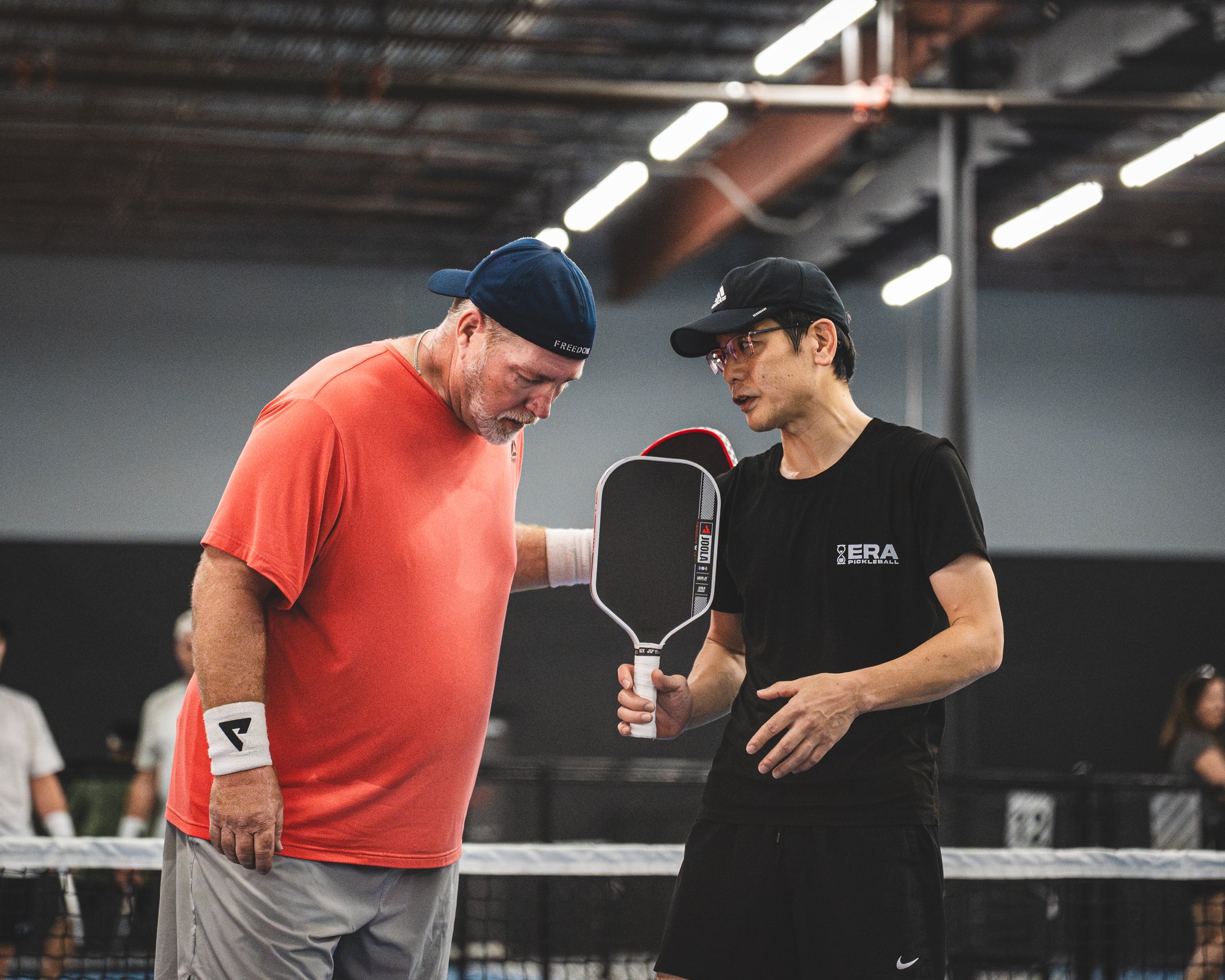
The serve and return sequence is a performance focused drill that is as much about mental discipline as physical skill. The server works on a consistent contact point and variable spin, while the returner practices different return angles and depth. The two players then engage in a short rally that culminates in a decision: attack or reset. The emphasis here is on reducing unforced errors and setting up an advantage position early in the point. It’s a simple drill on the surface, but it yields tangible dividends when performed with clinical consistency over weeks.
The two on two control drill is a staple for improving court awareness and teamwork. Two players rally against two opponents with the rule that the ball must go through the middle neutral zone. The exercise limits the field of play to a predictable portion of the court while promoting crisp communication and tight net coverage. As players become more comfortable with spacing and callouts, you can introduce mid rally strategy shifts such as a late net drop or a sudden transition to a reset pattern. This drill is a favorite for building confidence in doubles, which is where many players see the biggest gains in their win rate.
The two lists above illustrate a practical balance. They can be scheduled in a single session or rotated across weeks, depending on how you progress and where your coaching focus lies. They also demonstrate a core principle: the practice session should feel like a clear arc, not a random collection of exercises. The arc should lead to a tangible shift in your game, whether that’s more reliable dinks, cleaner serves, or better court movement.
Adapting to your environment
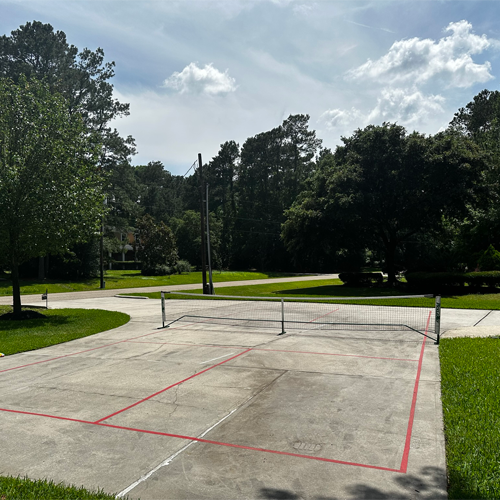
Not all facilities are created equal. Some players will train in a dedicated pickleball gym with multiple courts and a staff that can run multiple drills simultaneously. Others will train in a community center with a single court and a 50 minute block. The adaptability of a winning practice is exactly what makes it robust.
If your space is tight, you’ll want to compress the warmup and the skill blocks into a high impact, short duration format. This means sharpening the focus of each segment and cutting any fluff. If you have a larger space, you can run concurrent stations where one group repeats a drill while another group handles a different one. In either case, you should prioritize clear boundaries for each drill, short rests that keep the heart rate up, and a debrief after each block so players leave with an explicit sense of what went well and what needs more attention.
Equipment is another area where practical choices matter. A reliable grip on your paddle is essential. Some players find that a slightly smaller grip helps with control for certain shots, while others prefer a thicker handle for a powerful swing. The choice of paddle weight and surface can affect control, ball speed, and the way your wrists handle contact. Shoes matter as well. Court grip and ankle support reduce the risk of slips during quick lateral shifts and can dramatically alter your ability to execute aggressive cross court moves during a critical rally.
A common pitfall is overloading a practice with too many technical refinements. The brain can absorb a handful of adjustments at a time, particularly when fatigue is a factor. If you notice that your players are grinding down mentally before the end of a session, it’s a sign to prune back, simplify the immediate targets, and reinforce a small set of habits that you want to engrave first.
Measuring progress in real terms
Progress in pickleball training is not only about the number of wins and points. It is about the clarity of movement, the consistency of shot selection, and the ability to maintain calm under pressure. You can quantify things, but the most valuable evidence often comes from watching your own game evolve over weeks and months. A few practical indicators of progress include: fewer unforced errors in high pressure points, improved transition speed between defense and offense, and a more reliable serve return sequence that doesn’t give away easy points.
Many players talking with era pickleball coaching teams mention how video analysis has transformed their practice. A weekly 15 minute review can reveal subtle issues in shoulder alignment or paddle face angle that aren’t obvious in the moment. The act of slowing a rally down, frame by frame, makes it possible to measure progress in a disciplined way. It also helps you celebrate small wins that might otherwise be overlooked during loud, high energy games.
Mental discipline in practice
Mental preparation is not a separate activity you tack on at the end. It is woven into the practice architecture. A quick pre rally ritual can set a tone that favors precision over impulse. A breathing routine, a short visualization of a successful rally, or a deliberate check of your strategic objective for the next few points helps you stay in the right frame of mind. In some sessions I’ve run, we included a two minute post rally reflection where players say one thing that was done well and one adjustment they’ll try next time. This tiny ritual creates a feedback loop that seeds mental resilience, which once trained becomes a genuine asset in a tight match.
Equally important is creating a culture that values patient play. In pickleball, it is tempting to chase high tempo rallies that end in errors. A well designed practice teaches players to embrace the longer sequence, to accept that the best decision at times is to reset rather than force a risky shot. This is often the difference between good players and great ones. Great players know how to leverage the tempo of a rally, and they recognize when to escalate and when to step back.
Edge cases and limitations
No plan survives contact with reality exactly as written. A few situations you will encounter are worth planning around. For example, if you’re coaching a large group with mixed skill levels, you might need to run parallel drills so the advanced players stay engaged while beginners aren’t overwhelmed. If you’re working with a partner who has a slower pace or different preferred shot shapes, you’ll want to tailor the feedback you give so it remains constructive for both people. The most effective coaching strategies adapt to these realities with flexibility rather than rigidity.
Another edge case involves injuries or fatigue. If someone is dealing with shoulder pain, for instance, you’ll need to modify the drill selection to reduce repetitive overhand drives or intense backhand work. You’ll swap in more footwork drills and focus on controlling the paddle with lighter contact. Fatigue is a renewable resource that teaches a different lesson: it forces you to rely on technique when your energy is sagging. Use those sessions to refine fundamentals and to rehearse stable form under stress.
A final word on coaching and community
When era pickleball coaching teams set up a training cadence, they aren’t just building rival skills. They’re cultivating a mindset that translates into a stronger court presence, a better air of confidence around the ball, and an improved ability to support teammates in doubles. This is where the real payoff lies. The community around a program becomes the accelerant that pushes players toward higher levels. You learn not only from your own mistakes but from watching others handle the same challenge with different approaches. The environment shapes you as a player, often more than the individual drills do.
If you’re designing your own practice for era pickleball training or choosing a course with pickleball classes Era Pickleball, you should look for coaches who demonstrate a practical balance: a theoretical backbone combined with on court demonstrations and immediate, actionable feedback. You want a program that doesn’t just tell you what to do, but shows you why this approach works and how it will show up in your next match. The right coaching team will help you translate every drill into a tangible improvement in your game and will provide you with a framework you can repeat, adapt, and own over time.
From a personal perspective
I’ve watched players arrive with a sprinkle of natural talent and leave with a confident, repeatable practice routine. The improvement isn’t always dramatic in week one, but over the course of a season you can see a clear shift in decision making, movement economy, and shot precision. A critical moment comes when a player realizes that the practice they do in a controlled environment translates into calmer, more purposeful play in a tournament setting. That is the moment the process stops being something you endure and starts becoming something you depend on.
The practical truth is that progress in pickleball is non linear. Some weeks offer big steps forward, others feel like maintenance. Yet if you maintain a steady practice rhythm, you’ll accumulate small victories that compound into real performance gains. The best players I’ve coached did not wait for inspiration to strike. They built a practice that rewarded discipline, clarity, and adaptive thinking. They learned to anticipate what happens when the pace of the rally changes and kept a calm approach even when the stakes rose.
The value of deliberate practice becomes obvious once you see it in action. When a player focuses on a narrow objective, their brain has to map a series of micro decisions into physical actions. It is this translation of intention to execution that ultimately separates the high performers from the rest. The more you invest in a structure that promotes that mapping, the more your game will reflect the intention behind each movement.
Closing thoughts
A winning practice is not a single drill or a clever trick. It is a disciplined, evolving routine that integrates physical conditioning, technical skills, and mental composure into one coherent system. It respects the realities of court space, time constraints, and the varied needs of players at different stages of development. It hinges on honest feedback and the pickleball courts near me willingness to adjust the plan when the evidence points in that direction. When you run a program that embodies these ideas, your players will experience a richer, more reliable path from practice to performance.
If you are part of era pickleball training programs or exploring era pickleball coaching options, consider how your sessions align with the principles laid out here. Are you creating a clear arc for each practice? Are you providing consistent feedback that links to observable outcomes? Do you have a practical toolbox of drills you can adapt to different players and settings? If the answer is yes, you’re likely on a pathway to sustained improvement.
In the end, the craft of practice is a craft of listening. Listening to your body, listening to the court, and listening to the feedback you gather from every rally. The more you listen, the more precise your actions become. And the more precise your actions, the more often you’ll find yourself on the winning side of a scoreboard, not by luck but by design. That is the essence of crafting a winning practice, a philosophy that permeates era pickleball training and coaching across every level.