The Ultimate Guide to Pickleball Near Me with Era Pickleball
If you’ve started asking around about pickleball in your area, you’re likely hearing the same name pop up: Era Pickleball. The brand has grown from a handful of courts to a network that spans indoors and outdoors, offering a mix of social play, competitive leagues, and development programs. This guide is built from years of watching players chase better partners, cleaner courts, and clearer instruction. It’s also built from actual visits to facilities, conversations with staff, and the moments when a simple court time becomes a memory you’ll tell your grandkids about. If you’re hunting for a place to play, train, or belong, consider this a practical playbook for finding pickleball near you with Era Pickleball.
A practical starting point is to recognize that Era Pickleball is more than a collection of courts. It’s a community that designs spaces, schedules, and programs around real players with real goals. Sometimes you want to knock around with neighbors and coworkers on a weekday evening. Other times you need a more structured pathway to compete. Era Pickleball aims to serve both ends of that spectrum, offering a spectrum of options that are easy to access yet tough to outgrow.
Map the geography first. The phrase pickleball near me can be fuzzy until you know how Era Pickleball structures its footprint in your region. In many markets, you’ll find a flagship facility with a central hub for indoor play, a companion outdoor site for seasonal play, and sometimes satellite courts tucked into university campuses or community centers. If you’re in a city with a cold season, indoor pickleball courts Era Pickleball can be a lifeline. If you’re in a milder climate with a year-round outdoor culture, the outdoor pickleball courts Era Pickleball offer a different rhythm and a different set of social dynamics. The best approach is to think about what you want from the next 90 days, whether that’s steady court time, better ball striking, or a structured league path.
Choosing a facility is about more than finding a place with nets and lines. It’s about finding a place that fits your schedule, your budget, and your personal energy. The Era Pickleball ecosystem tends to highlight three kinds of experiences: casual play, instruction and development, and competition. Each pathway speaks to a different kind of player, and many folks drift between them as their needs evolve. A typical week might include a couple of drop-in sessions, a lesson or clinic, and a Sunday league match. The key is to blend flexibility with a sense of progress so you don’t end up wandering from court to court with no clear path forward.
As you approach a facility, you’ll notice the pace of the operation often mirrors the city around it. Indoor environments tend to be climate controlled, with smooth courts designed to minimize ankle twists and maximize ball bounce consistency. Outdoor courts, by contrast, emphasize wind patterns, sun angles, and the difference between a well-kept asphalt surface and a newer resin system. Era Pickleball facilities tend to invest in proper lighting for evening play, shade structures for hot days, and seating that invites both spectators and players to linger a little longer. The human fingerprint on these venues—the staff’s knowledge, the cleanliness of the restrooms, the availability of water stations—is the quiet signal that you’ve arrived somewhere that takes the sport seriously without forgetting the social fabric that makes pickleball so sticky.
A critical part of your early exploration is asking about courts, leagues, and programming. You’ll likely encounter a few common touchpoints: indoor pickleball courts Era Pickleball and outdoor pickleball courts Era Pickleball, plus an adaptable schedule that makes room for private rentals, clinics, and theme nights. When you’re in the lobby, you’ll sense the tone through the conversation with the front desk. Are they quick to answer questions about court reservations, membership, or league standings? Do they have a simple process for signing up for a lesson or a round-robin event? These moments matter because your first impression becomes your ongoing baseline. If the staff are organized, the courts well-lit, and the scheduling intuitive, you’ll spend less time figuring out the system and more time playing.
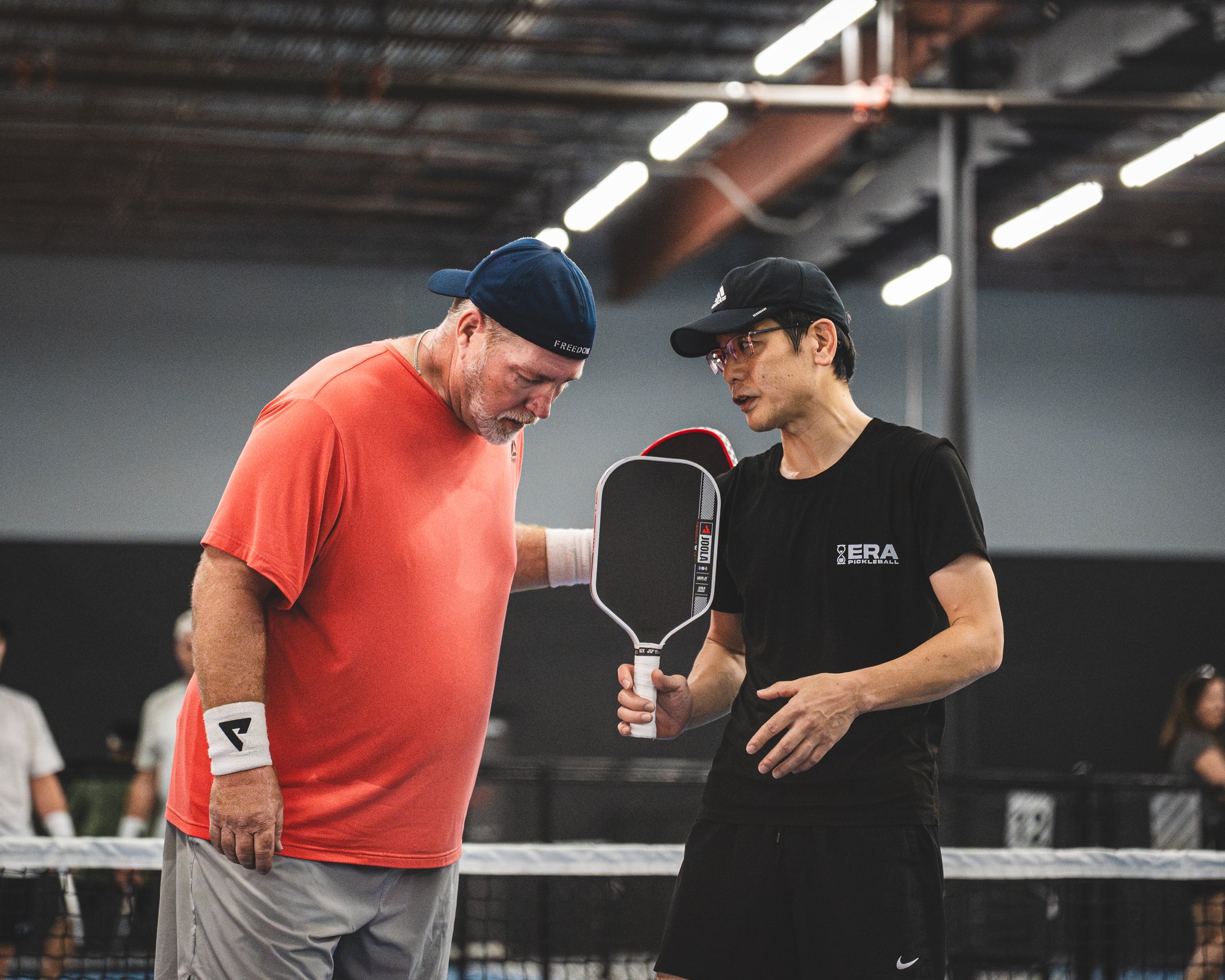
If you’re new to Era Pickleball or you’re upgrading from casual play to something more targeted, the lesson path is where you can make the most immediate improvements. Lessons are not just about technique; they’re about understanding the rhythm of the game—how to move effectively, how to read the dink, and how to position your body for the next shot. A good instructor will blend drills with live play, providing feedback that is specific and actionable. You should expect options ranging from private sessions to small-group clinics and longer-term development programs. The best clinics have a clear progression: emphasis on fundamentals for beginners, transition to tactics for intermediates, and a refinement phase for advanced players who want to shave a few milliseconds off their reaction times.
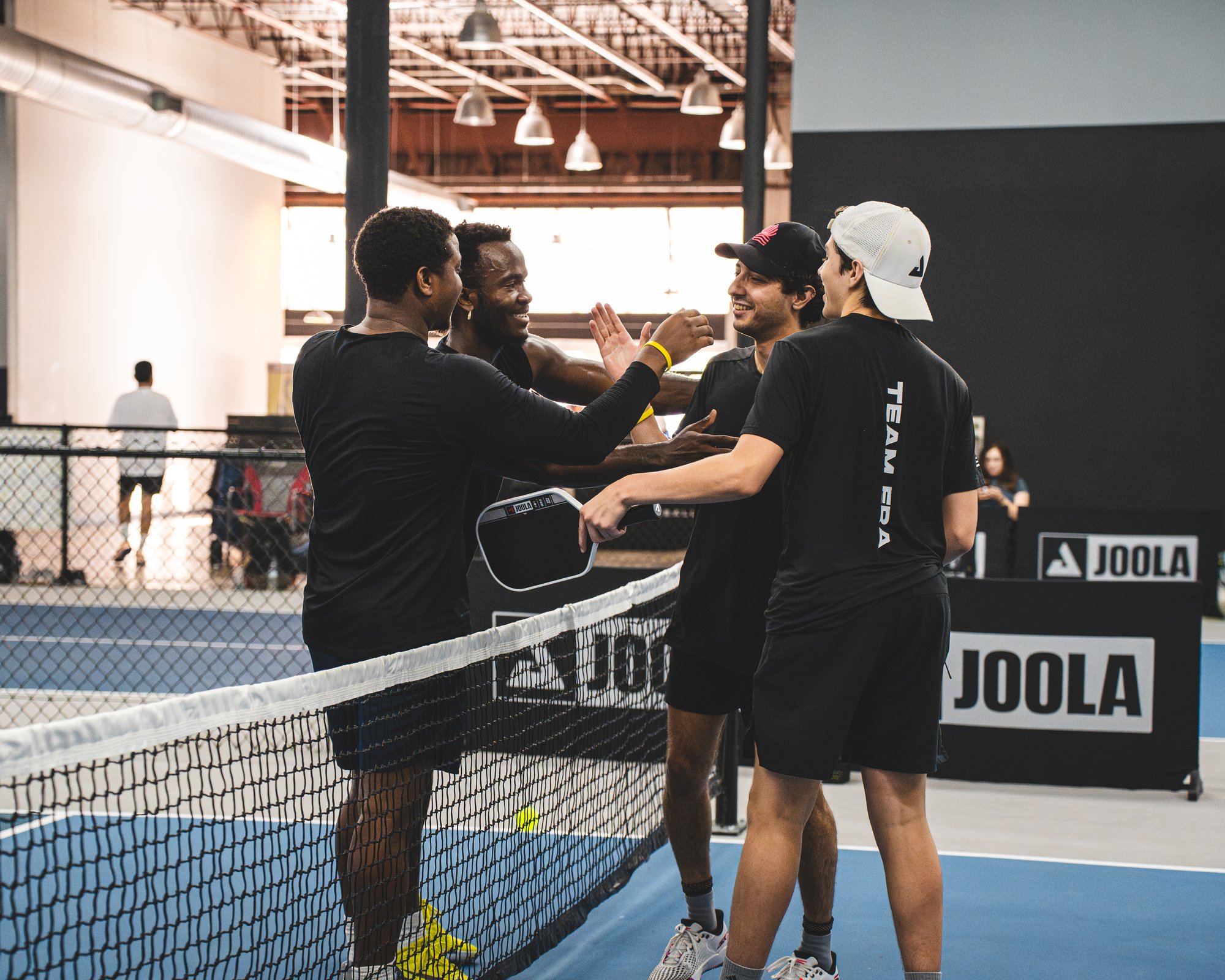
Community is the third leg of the Era Pickleball stool. A facility that values the social dimension will prioritize drop-in play that is easy to join, but structured enough to avoid the awkwardness of standing on the sideline. Look for round-robin schedules, beginner mixers, and gender-split or coed events that ensure you encounter a diverse set of players. Leagues are the heartbeat for many players who want consistent competition and a trackable measure of progress. A typical era league would offer multiple divisions, from beginner to advanced, with weekly matchups and a formal standings system. Even if you don’t intend to chase a championship, knowing where you stand over time creates motivation to practice and improve. That sense of belonging is what makes a facility feel like home rather than just a place to rent a court.
The practical question then becomes: what do you need to visit, what should you bring, and how do you plan your first few weeks? Start with a simple checklist as you step through the door. Know the hours and how reservations work. Ask about membership options, because even a modest annual or monthly plan can unlock cost savings and priority court access. If your schedule is uncertain, look for punch-pass options that pair flexibility with value. Understand the gear policy—whether you need to bring your own paddle or if the facility provides options to borrow or rent. A lot of the experience hinges on small details, from the comfort of the seating area to the refreshment availability, because these are the moments you’ll remember on a long Saturday.
Let’s talk about the practical realities of finding pickleball near me with Era Pickleball in a way that’s actionable for players at different levels.
- First, location and access. The most important factor is proximity. You want a place that minimizes travel time so you can maximize courts time. In many markets, Era Pickleball operates two primary formats: indoor courts that shine in winter and evenings, and outdoor courts that take advantage of fair weather. If you’re in a climate with true seasons, you’ll likely find both options within a reasonable radius. For players who commute across town for practice, the ability to reserve a time during lunch or after work can be transformative.
- Second, court quality and maintenance. The appeal of the sport is the feel of a reliable contact with the ball and the ease of footwork. A court that is cracked or poorly surfaced undermines this. When you visit, note the surface, the net tension, the line visibility, and the cleanliness of the facility. A well maintained court is a sign that the operator treats pickleball as a serious, sustainable activity rather than a side hustle.
- Third, schedules and booking. The fastest path to a good session is a straightforward booking system that shows real-time court availability. Look for a digital interface that confirms your court time, handles waitlists gracefully, and communicates any changes promptly. If you prefer a phone call or in person sign-up, check if staff can accommodate with a friendly, quick process.
- Fourth, coaching and programming. If you’re hoping to raise your game quickly, you’ll want access to professional instruction. Check whether the facility runs regular clinics, whether there are credentialed coaches on site, and how you sign up for sessions. Even if you enjoy self play, an occasional technique tune-up from a qualified coach can yield a noticeable uptick in performance.
- Fifth, community and culture. How players interact, and how staff manage the environment matters. Is there a welcoming atmosphere for beginners, or does the crowd cluster around the earliest arrivals and leave late? A good facility will foster a community where players integrate with instructions, clinics, and open play so your social calendar and your skill set grow together.
The more you become a regular, the more you will notice about the day to day rhythm that distinguishes a great facility from a good one. The easiest way to gauge this is to observe a few factors in practice. Look at the pace of the instruction if a clinic is underway. Are players getting clear, timely feedback? Are there opportunities to practice specific shots between rounds, or is the session designed primarily for match play? When you join open play, observe the court flow—do players rotate smoothly, is the line of communication clear, and are there enough volunteers or staff to keep the sessions moving so you don’t spend time waiting between games?
Another important element is the strategic approach to leagues. In Era Pickleball facilities that embrace structured competition, leagues are run with consistent schedules, published rules, and accessible standings. The difference between a casual round robin and a official league is consistency. A well run league provides a reliable weekly cadence, fair matchups, and a clean method for tracking results. For many players, this turns into a motivating arc: you practice more, you train for a specific format, and you measure improvements against a clear benchmark. If you’re curious about your own development, ask about how many divisions exist, how promotion and relegation work, and how long a season lasts. Realistic expectations early on will prevent you from overreaching and will help you cultivate a long term path in the sport.
As you consider Era Pickleball near me, you should also take a closer look at membership options. The right membership can be a smart investment if you plan to play weekly, take a series of lessons, and participate in league play. In many facilities, memberships unlock priority court access, discounted guest passes, and reduced fees for clinics and events. For players who are just testing the waters, a flexible punch card or drop in option may be the better fit. The trade off is simple: more commitment typically buys more value, but you want to preserve the freedom to skip weeks when life gets busy.
Beyond memberships, another practical lever is the structure of a typical week at an Era Pickleball facility. A well designed calendar aligns three primary activities: social play, structured training, and competitive events. Let’s take a hypothetical week as a concrete example. On Monday evening you might swing by for a 90 minute drop in session, rotate through four different partners, and finish with a casual feedback chat with a coach. On Wednesday you could sign up for a two hour clinic focused on serve and return mechanics, followed by a short match play block to integrate the newly learned concepts. Then on Saturday you might participate in a league match that uses a standardized scoring system and a published ladder, which is the point where your Friday practice translates into real results. This kind of cadence balances skill development with the social enjoyment that makes pickleball so appealing.
A personal anecdote may help illustrate the value of Era Pickleball facilities. A friend of mine used to think pickleball was mostly about clever dinks and good court shoes. Then she joined a Saturday league at a facility with a robust coaching staff and a vibrant community. Within six months she had moved from beginner status to a middle division, not because she suddenly found a secret technique, but because she learned how to manage transitions, anticipate opponent patterns, and communicate effectively with her doubles partner. She found her rhythm by combining guided practice with consistent, friendly competition, and she finally had a reason to set an alarm for Saturday morning instead of letting the weekend drift by.
Choosing the right pathway at Era Pickleball means balancing your aspirations with your circumstances. You might want to stay light and social, bouncing between casual play and a beginner clinic. Or you could be chasing a more ambitious trajectory, with a steady schedule of lessons, drills, and league matches that yield tangible win rates and a sense of mastery over a season. The facilities that succeed are the ones that can map those ambitions into accessible options. They publish clear information about court availability, coaching services, member benefits, and upcoming events. They also invest in staff training so that customers feel seen. It is not enough to own a court. The most impactful experiences come from people who know how to blend instruction, play, and community so that every hour spent there counts.
If this website you are evaluating Era Pickleball near you, here are a few practical questions that can help you decide whether a facility is the right long term fit:
- How easy is it to make a court reservation, and what is the typical wait time during peak hours?
- Are there beginner friendly programs that don’t require a long term commitment, and do they allow you to move into more advanced sessions later?
- Does the facility publish a calendar of clinics, leagues, and special events in a way that is easy to navigate?
- What is the quality of the coaching staff, and do they hold certifications or have verifiable coaching backgrounds in pickleball?
- How does the facility handle social events and community outreach, and is there a sense of belonging beyond the court?
If you answer these questions with a positive impression, you’re likely in a place that not only supports your current needs but also grows with you as your game evolves. In practice, that kind of alignment matters as much as the quality of the courts themselves. The best indoor pickleball courts Era Pickleball hosts can be transformative, but so can a well organized league that turns your casual weekend into a narrative of improvement. The real value is in the balance between place, people, and purpose.
To close this long view on the topic, a few recommendations to get you started without delay:
- Start with the nearest Era Pickleball facility and check the schedule for a beginner friendly clinic within the next two weeks. If you can swing a private lesson before that, do it. A quick diagnostic can save you months of wandering through drills that don’t target your real needs.
- If you already know you want more than casual play, map out a 6 week plan. Block two sessions for technique, two for strategy, and two for league play if your facility offers it. Those seven to ten days in a row can be a surprisingly powerful trigger for growth.
- Bring a friend or recruit a partner. It is easier to commit to practice when you have a person to hold you accountable. The community at Era Pickleball is built on connection; leverage that to stay motivated and to learn faster by observing someone else navigate the court.
- Treat your paddle as an evolving tool. A quality paddle can change the feel of your play in subtle ways, especially during the transition from beginner to intermediate. Try a few options if your facility allows it, and pay attention to weight, balance, and grip size.
- Don’t chase perfection in every session. Pick a single skill to improve during your next visit—perhaps the dink or third shot drop—and give yourself permission to make deliberate, small adjustments. Small improvements compound into noticeable results over a few weeks.
In the end, the search for pickleball near me with Era Pickleball is less about finding the perfect court and more about joining a living system that helps you pull the best from your own game. The human element—the coaches who push you kindly, the teammates who show up every week, the staff who keep the lights on and the courts clean—makes the difference between a hobby and a habit. If you feel that spark when you walk into an Era Pickleball facility, you’ve likely found something worth sticking with.
Two ideas you can carry into your next visit
- A practical mindset toward improvement. Treat each session as a discrete opportunity to learn, not merely to play. Decide what you want to practice before you walk in, track your results, and hold yourself accountable to a simple standard. This is how you transform repetition into progress without turning play into work.
- A commitment to community. The most satisfying parts of the sport are the people you meet well after the final rally. When you find a facility that prioritizes social events, clinics, and league play, you position yourself to form friendships around your sport, not just your skill set. The friendships sustain your practice during busy weeks and provide a context for celebrating your improvements along the way.
Two concise lists to keep handy as you explore Era Pickleball near me
- What to check when evaluating a facility
- Proximity and convenience of court reservations
- Quality and maintenance of indoor or outdoor surfaces
- Availability and variety of programs: clinics, private lessons, leagues
- Clarity of pricing, memberships, and booking policies
- Staff responsiveness and culture of welcome for new players
- Elements that signal a healthy pickleball community
- Regularly scheduled clinics and open play that balance access with structure
- Clear league formats with divisions and standings
- Positive coaching interactions focused on skill development
- Inclusive events that welcome beginners alongside advanced players
- Consistent follow through on maintenance, scheduling, and event communications
In this late spring season, the pickleball scene around Era Pickleball is alive with new players and returning athletes who are chasing a meaningful combination of skill, speed, and social joy. It is not the same everywhere you go, but the core promise remains consistent: you walk into a space that respects your time, supports your growth, and invites you into a community that takes the sport seriously without taking itself too seriously.
If you’ve been curious about the era of indoor or outdoor pickleball courts that Era Pickleball operates near you, you should plan a visit with a practical eye for the details that matter most to your experience. Courts, coaches, schedules, and the people you meet there will shape your impression far more than any single feature on a brochure. And when you find that place, you’ll likely find a circle of players who feel the same way about showing up for the sport they love, week after week, season after season. That’s how you know you’ve discovered more than a place to play. You’ve discovered a home to practice, compete, and belong.